
Free Staters give their take on Freedom Day
South Africans across the country and beyond will be celebrating Freedom Day tomorrow. This is a day that serves to commemorate the country’s first democratic post-apartheid elections, held in 1994.
The day saw South Africa starting the process of walking away from its dark, colonialist past and, according to capetownmagazine.com. The day also marks sloughing off the shackles of white minority domination by electing Nelson Mandela as the first democratic president through a free and fair voting process.
The day also pays homage to the country’s unique and remarkably detailed and inclusive constitution – including a Bill of Rights that is second to none. The document is widely recognised as one of the most developed charters in the world, and guarantees all those within South African borders the freedom from the hatred and oppression that ruled the past.
As part of taking stock of the strides the South African society has made in the last 19 years, The Weekly took to the streets of Bloemfontein to find out from the ordinary citizens what the day means to them and if there is anything worth celebrating.
Political analyst, Steven Friedman, said the country has come a long way since 1994 but he thinks there are improvements towards democracy.
According to Friedman, the fact that blacks can now vote and vote for the party that they want is freedom on its own. He said, because of a democratic government, everyone has dignity and they can speak freely about anything.
“The country has achieved a lot since 1994; 15 million people are now receiving grants while the government is also paying for HIV treatment of two million people. The government has made progress in many ways; about 80 percent of people now have access to cars which used to be a luxury to the black society in the past.
“Even though we live in a free state there are some challenges facing society, like dealing with people’s attitudes towards others. Most challenges facing the country are inequality, poverty and unemployment.”
“The opinions of people who live in poverty don’t matter. Something has to be done to make sure that those voices get heard because they too are voters. Educational activities need to be undertaken all over the country to make sure that the youth learn about the history of this country on Freedom Day,” ended Friedman.
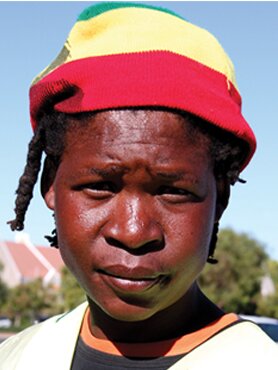
Thabiso Ndaba (27)
“Yes, the country has got its freedom, but the problem is the shortage of job opportunities. At least we can start our small businesses. I run a car wash in town. If we were still in the apartheid era, we would have been kicked out of that area. I am glad that now Bloemfontein belongs to everyone who lives here, not the white minorities like before. I am glad that I am free to pick a spot where I can guard cars and wash them without a hustle. On the flip side, we are still faced with housing challenges some of which are caused by corruption. If it’s not a greedy councillor or official, then it’s some immoral people who will do anything to acquire an RDP at theane Mo expense of those who really need them. I don’t think freedom day is given the respect it deserves. Some people celebrae it by drinking alcohol.”
Sibongile Masengana (19)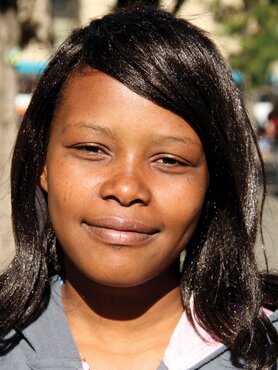
“I am glad that I’ve never experienced any discrimination on the basis of the colour of my skin. I’ve always heard from my parents how tough life was before 1994, but I won’t lie and say I have seen such a thing as apartheid. The country may have won its freedom but there are challenges that still need to be addressed, like economic freedom and job opportunities.
“When I grew up I had a choice of where to study, although this doesn’t mean it was a ‘whites only’ school. Freedom is good, but there are some bad things about it like the laws that allow rapists and murders to walk scot free after their gruesome deeds. If I were the president of this democratic country, I would make sure that killers and rapists get hanged. The things that are done by those kinds of criminals leave permanent scars on their victims.”
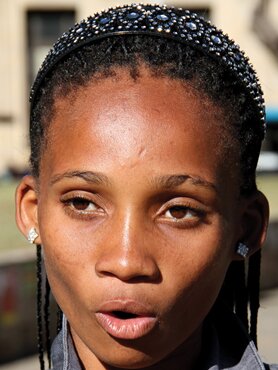
Jane Moreng (19)
“I am very grateful to the democratic government for providing grants to the less fortunate children and helping their unemployed parents. I am glad that I grew up in an RDP house that was provided by the ANC government; otherwise I would have grown up in a shack. However, the justice system in our country needs to be tough and not allow criminals do as they please. Even some foreigners are exploiting loopholes in the system and, freely peddle drugs and easily obtain fake IDs.The government should not leave our history to die. Children should be taught struggle songs from a very early age, even if it means teaching them in schools. This is the only way we can make sure that all South Africans, especially the youth know where we come from.”
Simon Matuka (70)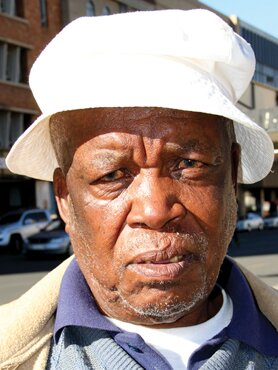
“There are a lot of positive changes in our country, but there are also areas that need to be fixed. I worked for the government for 25 years and have first-hand experience of apartheid. I can mention a lot of positives. For starters, I live freely with my family in Mafora Square, without constant harassment by the police rocking up in the middle of the night to conduct a head count. I am grateful that everyone now has rights, unlike in the past when a black man’s rights were prescribed and limited by whites.
“The only thing that I think will take time to change is the fact that whites always get better opportunities than blacks. The whites that I used to work with receive fat pension cheques while I only get petty cash even though I was more experienced and had worked longer than them.”

Ms. K Unrestricted


Follow Us onTwitter